There is something special about putting on a trail running shoe and immediately feeling at home in it.
For me, that shoe was the HOKA Speedgoat 4. It was one of the first trail shoes I owned that felt genuinely comfortable, and I trusted it through several ultra-distance trail events, including 50 km and 100 km races.
Those shoes carried me through an important part of my early ultra-running journey.
The Speedgoat versions that followed never felt quite the same to me. They weren’t necessarily bad shoes, but I couldn’t find the same comfort, security and sense of familiarity I had experienced in the Speedgoat 4.
Several years later, I finally tried the HOKA Speedgoat 7.
And honestly?
It feels like coming home.
Quick Verdict
The HOKA Speedgoat 7 combines generous cushioning, dependable grip and reassuring stability without feeling excessively soft or bulky.
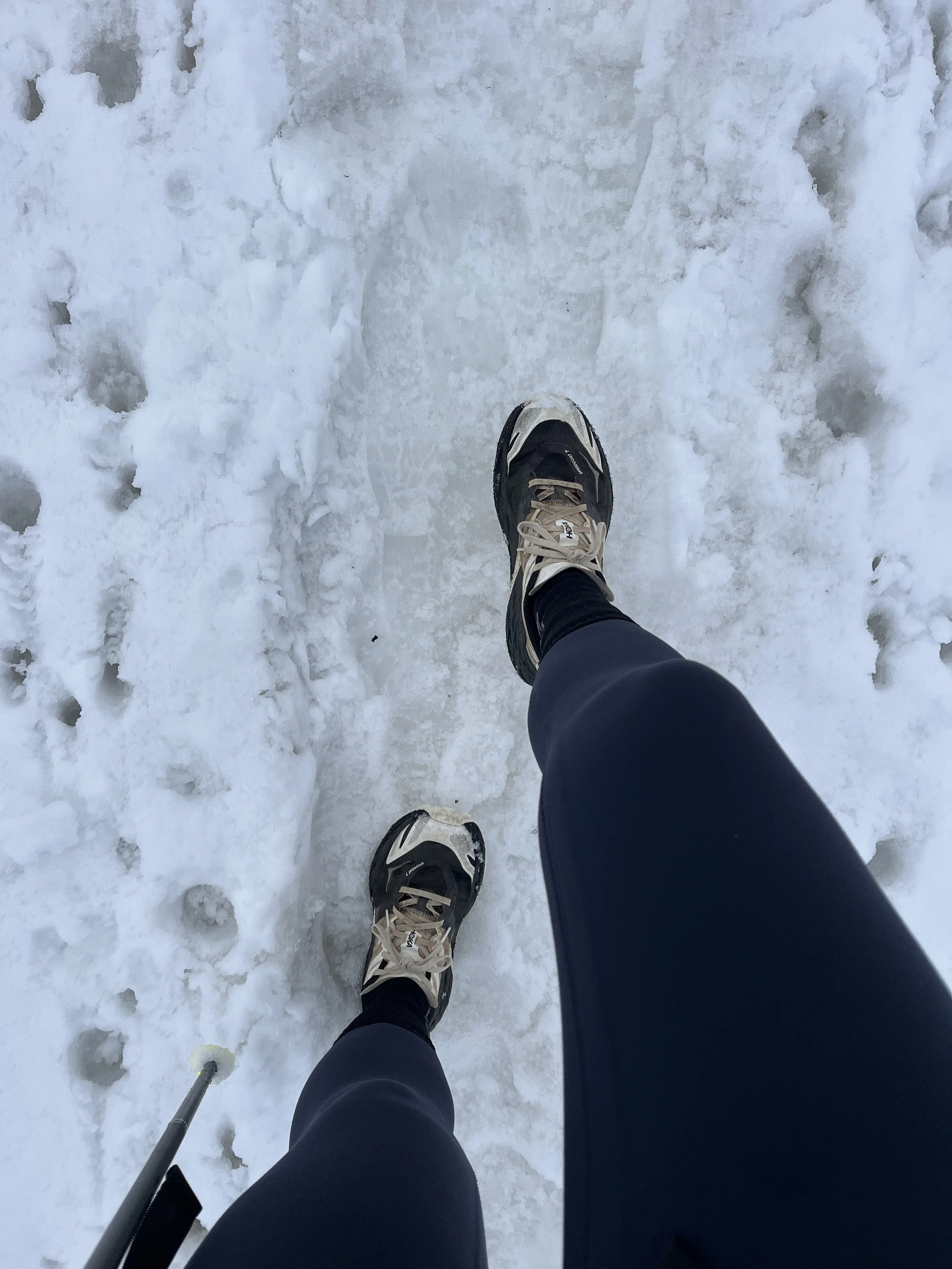
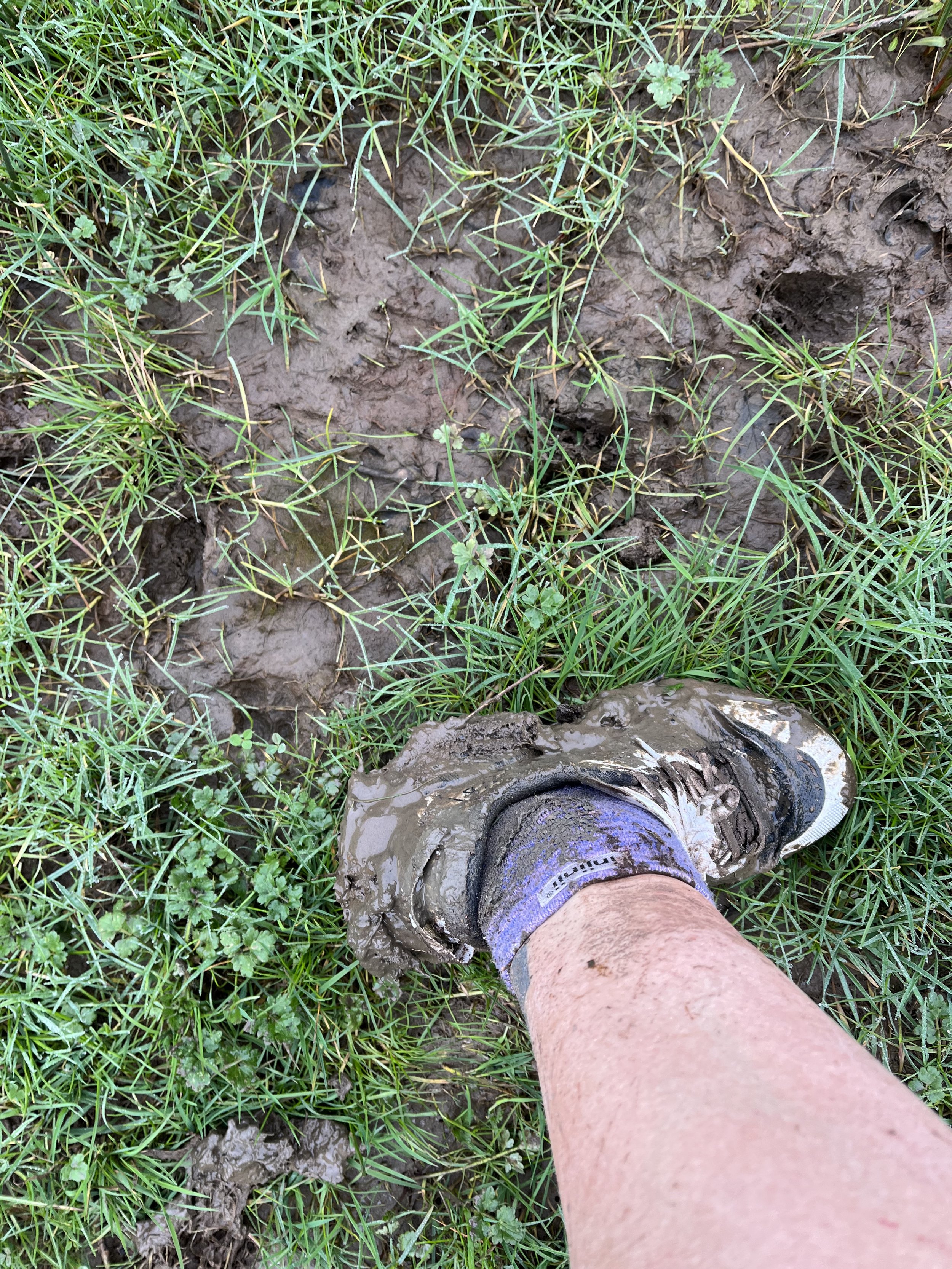
It works particularly well for my wide, flat feet and midfoot running style. I have worn it across muddy UK trails, technical mountain terrain and the Fimmvörðuháls trail in Iceland without experiencing blisters, hot spots or uncomfortable pressure.
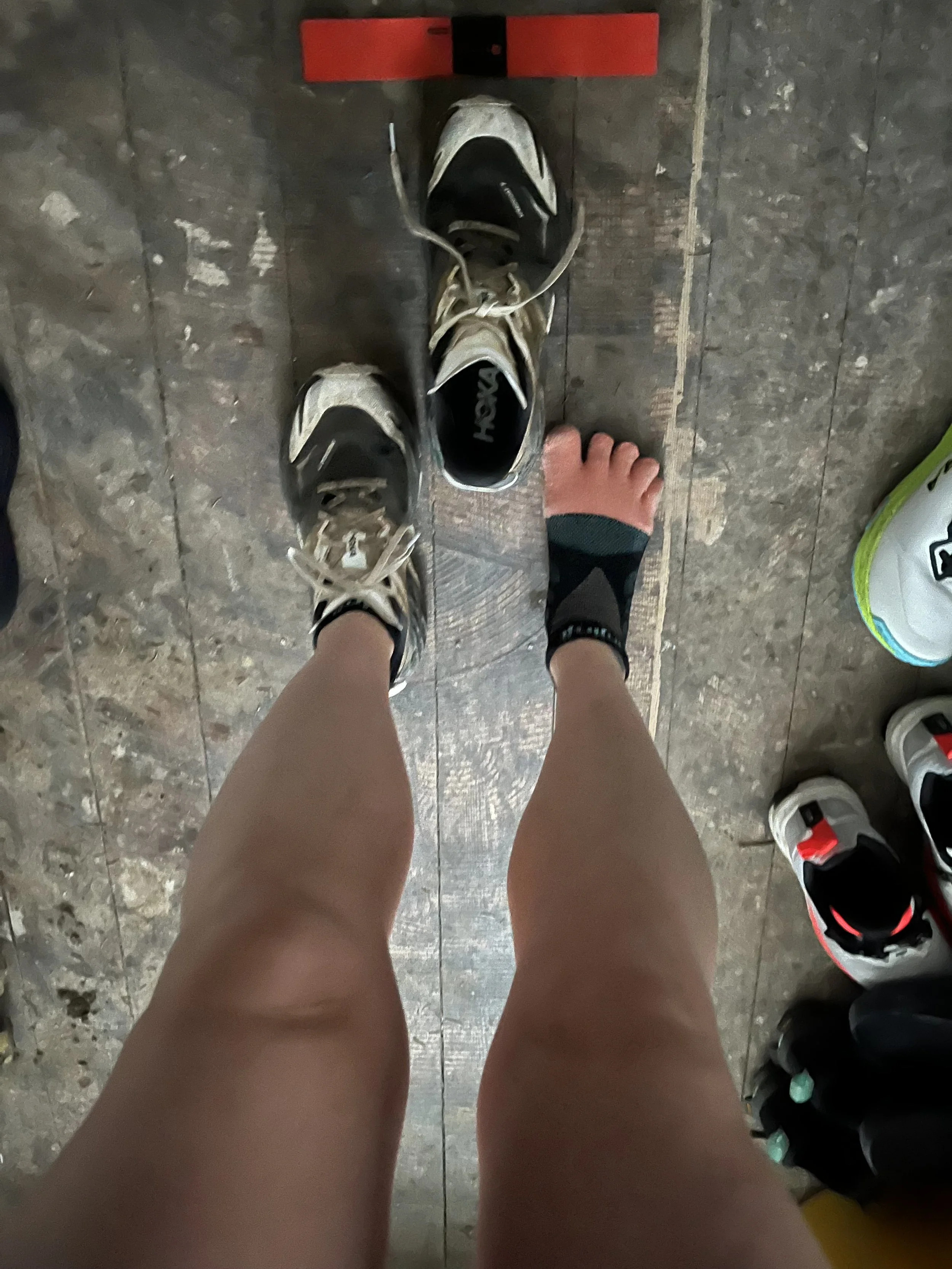
I wear the shoe a full size to a size and a half larger than my usual footwear, which gives my feet room to expand and allows me to wear thicker waterproof socks comfortably.
The only feature I would personally improve is the standard lacing system.
Best for: Long-distance trail running, ultra running, hiking, technical terrain and wet or muddy adventures.
Would I buy it again? Absolutely.
The Trails with Tamara Test
The Trails with Tamara Test looks beyond marketing claims and technical specifications. I score gear according to how it performs during genuine, real-world adventures.
Confidence: 5/5
The Speedgoat 7 helps me trust my footing and concentrate on the experience rather than constantly thinking about my shoes.
Performance: 5/5
It has performed brilliantly across mud, wet rock, volcanic terrain, steep climbs, descents and long days on my feet.
Comfort: 5/5
It accommodates my wide, flat feet, provides cushioning without instability and has caused no blisters or hot spots during my testing.
Overall Trails with Tamara Score: 5/5
Verdict: I would buy it again.
In This Review
HOKA Speedgoat 7 technical overview
My history with the Speedgoat
Sizing and fit
Cushioning and stability
Grip on wet and muddy trails
Upper and drying time
Design and colour options
What I would improve
Who the shoe may suit
Frequently asked questions
Final verdict
HOKA Speedgoat 7: Technical Overview
Category: Trail running shoe
Heel-to-toe drop: 5 mm
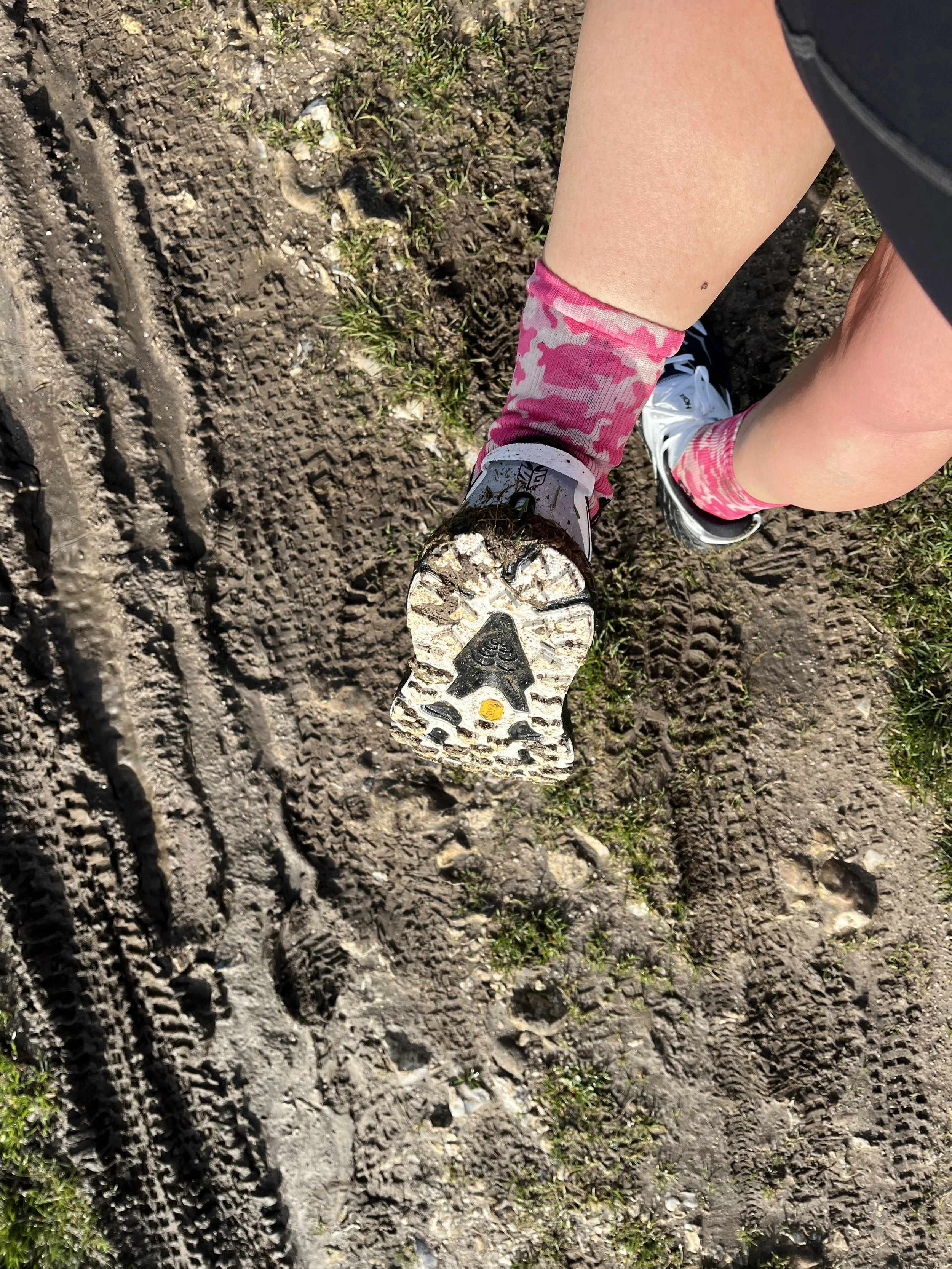
Outsole: Vibram® Megagrip with Traction Lug
Lug depth: 5 mm
Midsole: Super-critically foamed EVA
Upper: Lightweight woven textile
Fit options: Standard and Wide
Listed weight: Approximately 235 g for the women’s model and 275 g for the men’s model
UK recommended retail price: £145
The Speedgoat 7 is designed for technical trails and mixed terrain. It combines responsive cushioning with a Vibram® Megagrip outsole and an updated lug arrangement intended to improve traction.
It also features a dual-gusseted, lay-flat tongue, gaiter compatibility, reflective details and a heel pull tab.
My History With the HOKA Speedgoat
My relationship with the Speedgoat began several years ago with the Speedgoat 4.
It wasn’t simply a shoe I wore for the occasional trail run. I trusted it through several ultra-distance events, including 50 km and 100 km trail races.
It became part of some meaningful milestones in my running journey and was one of the first trail shoes that kept my feet genuinely comfortable over long distances.
That created a high standard for every Speedgoat that followed.
Although I tried newer versions, none gave me quite the same experience. The fit and comfort didn’t feel as natural, and for several years I moved away from the range.
The Speedgoat 7 is the first version since the Speedgoat 4 that has brought that familiar feeling back.
It isn’t an identical shoe, nor would I expect it to be. Shoe technology has evolved, and my own running and understanding of my body have changed too.
But the comfort, confidence and familiarity are finally there again.
That is what I mean when I say it feels like coming home.
Where I Tested the Speedgoat 7
I don’t believe you can fully understand a trail shoe after one short run around a park.
I want to know how it performs when the ground becomes wet, muddy and unpredictable. I want to know whether I still trust it several hours into an adventure and how my feet feel afterwards.
I have worn the Speedgoat 7 across muddy UK trails and more technical mountain terrain.
I also wore it throughout the Fimmvörðuháls trail in Iceland, a spectacular and demanding route involving volcanic ground, steep climbs, loose terrain, water and rapidly changing weather.
The shoes handled it all without a problem.
I wore them with thick waterproof socks and still had enough room inside the shoe. My feet never felt compressed, and I didn’t experience blisters or uncomfortable pressure points.
That is exactly what I want from footwear I may be relying on for many hours at a time.
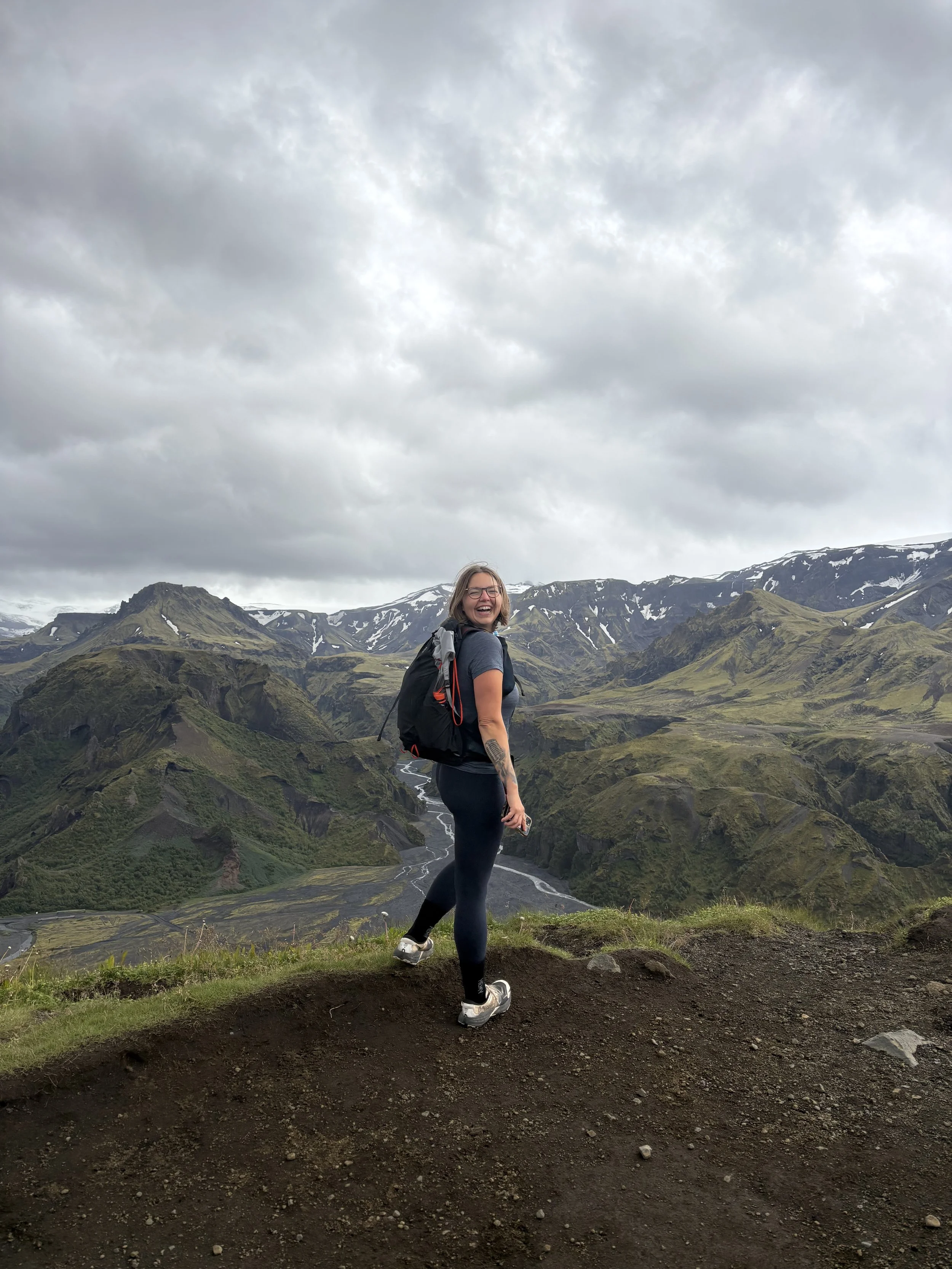
Wearing my Hoka Speedgoat 7 in Iceland
Sizing and Fit
Sizing is particularly important with this shoe, especially when it is being used for ultras, long hikes or multi-day adventures.
For context, I normally wear approximately a UK size 7 or 7.5 in everyday footwear. In the Speedgoat 7, I wear a UK size 8.5.
That larger size works well for me because it gives my feet room to expand over longer distances. It also allows me to wear thicker or waterproof socks without my toes feeling restricted.
I would therefore personally recommend considering at least half a size up, and potentially more, depending on your foot shape, sock choice and intended use.
However, I wouldn’t assume that everyone needs to go up by the same amount I did. My choice reflects my wide feet, my preference for additional toe room and the fact that I use the shoe for longer adventures.
When trying it on, check that:
Your toes are not touching the front of the shoe.
You have room for your feet to swell.
Your heel remains secure.
Your foot does not slide forwards on descents.
The shoe feels comfortable with your usual trail-running socks.
Try the shoes later in the day where possible, when your feet may naturally be slightly more swollen. It is also worth trying the Standard and Wide versions rather than assuming one will automatically suit you.
Fit, Cushioning and Stability
I have wide, very flat feet with low arches, and my feet tend to collapse inwards when I move. I am also predominantly a midfoot striker.
Finding a trail shoe that offers enough space without making my feet feel unsupported can be difficult.
I wear the Wide version of the Speedgoat 7, and the fit works incredibly well for me. It gives my forefoot and toes room to spread without making the entire shoe feel loose or sloppy.
The cushioning is one of my favourite parts of the shoe.
It feels soft, but not excessively soft.
Some highly cushioned shoes make me feel as though I am sinking into the midsole or moving around too much, particularly on uneven ground. That isn’t my experience with the Speedgoat 7.
It provides comfort and protection underfoot while still giving me the stability I need on technical trails.
Despite my flat feet and tendency to collapse inwards, I feel supported and confident. The shoe doesn’t feel rigid or corrective; it simply provides a stable platform from which I can move.
For my feet and running style, the balance between cushioning and stability is close to perfect.
Grip on Wet, Muddy and Technical Trails
The Vibram® Megagrip outsole is another standout feature.
The 5 mm lugs provide strong traction on soft and muddy terrain, while the lug arrangement allows the shoe to cope well with a mixture of surfaces.
In real-world use, it has given me confidence on muddy woodland trails, rocky sections, wet ground and steeper descents.
I don’t feel as though I need to hold back or carefully negotiate every step because I am worried about the shoe slipping underneath me.
Of course, no outsole can guarantee that you will never slip. Your technique, pace, terrain and weather conditions all matter.
However, the Speedgoat 7 gives me the traction and reassurance I need to move more freely.
Upper and Drying Time
The upper material has performed brilliantly in wet conditions.
It feels breathable and flexible without appearing flimsy. After running through wet grass, mud or water, the shoes do not remain heavy and waterlogged for an unnecessarily long time.
They dry relatively quickly, which makes a meaningful difference when travelling or completing adventures on consecutive days.
During my time in Iceland, I needed a shoe that could cope with difficult conditions without taking forever to dry afterwards.
The Speedgoat 7 did exactly that.
Design, Colours and the Little Heart Details
Trail running shoes need to perform well, but I also want to enjoy wearing them.
I love the overall design of the Speedgoat 7. It looks modern and distinctive without feeling unnecessarily bulky.
The different colour combinations are fun, and HOKA continues to introduce new colourways. I like having options beyond the usual black, grey and beige outdoor footwear.
A little personality never hurt anyone, even when you are covered in mud.
I particularly love the smaller design details.
Some of the lugs underneath the shoe are shaped like little hearts, and there is also a heart incorporated into the bottom of the shoe.
It is such a cute and unexpected detail.
It has no effect on the shoe’s technical performance, of course, but it makes the design feel more thoughtful and playful.
I notice and appreciate details like that. Gear can be practical, technically capable and still bring you a little joy.
What I Would Improve
No shoe is perfect, and there is one thing I would personally change: the laces.
The standard laces work, but I would prefer a more textured or ribbed lace that grips against itself more effectively once tied.
That additional friction can help the laces remain secure, particularly during longer runs and on technical terrain. It can also make it easier to fine-tune the fit without tying the shoe excessively tightly.
This is a relatively small criticism and something that can easily be addressed by replacing the laces.
However, it is still an area where I think HOKA could make an already excellent shoe even better.
Who Is the HOKA Speedgoat 7 Best For?
Based on my experience, the Speedgoat 7 may suit runners and hikers who:
Want generous cushioning without an excessively soft or unstable feeling
Regularly run on muddy, rocky or technical terrain
Need dependable grip in wet conditions
Prefer a wider fit or need additional forefoot space
Want one shoe for both trail running and hiking
Are preparing for longer trail races or ultras
Value comfort and stability over a minimal, highly responsive ride
Need a shoe that dries relatively quickly after wet adventures
Want room for thicker socks during colder or wetter conditions
It may be less suitable for someone who prefers a very firm, minimal or highly ground-responsive trail shoe.
Is the HOKA Speedgoat 7 Good for Wide Feet?
The Speedgoat 7 is available in both Standard and Wide fittings.
I wear the Wide version, and it fits my wide, flat feet extremely well. I have enough room around my forefoot and toes, including when wearing thicker waterproof socks.
However, the shape and volume of your foot matter just as much as its measured width.
Someone with a particularly broad midfoot, narrow heel or high-volume foot may have a different experience.
Should You Size Up in the HOKA Speedgoat 7?
I personally size up considerably.
My usual footwear size is approximately a UK 7 or 7.5, while my Speedgoat 7 is a UK 8.5.
This provides the additional room I need for foot swelling, long distances and thicker socks.
For everyday shorter runs, you may not require as much extra room. For ultra running or multi-day adventures, however, I would avoid a close or restrictive fit.
The best size is the one that provides enough toe room while keeping your heel and midfoot secure.
Is the HOKA Speedgoat 7 Good for Hiking?
Yes. Although it is designed as a trail running shoe, I have found it equally comfortable for long and technical hikes.
The cushioning, grip, relatively low weight and quick-drying upper make it a strong option for people who prefer trail shoes to traditional hiking boots.
I wore mine throughout the Fimmvörðuháls trail in Iceland and experienced no problems with comfort, grip or foot protection.
Whether a trail shoe or hiking boot is more appropriate will depend on the terrain, weather, load you are carrying and the amount of ankle support you personally require.
How Does the Speedgoat 7 Compare With the Speedgoat 4?
The Speedgoat 4 was one of the first trail running shoes that felt truly comfortable to me.
I trusted it through several ultra-distance trail runs and races, including distances of 50 km and 100 km.
Later Speedgoat versions didn’t give me quite the same feeling.
The Speedgoat 7 finally brings that sense of comfort and confidence back.
It isn’t an identical shoe, but from both a practical and emotional perspective, this is the first Speedgoat in several years that gives me the same familiar feeling I had in the Speedgoat 4.
Final Verdict
The HOKA Speedgoat 7 reminds me why I fell in love with the Speedgoat range in the first place.
It combines cushioning, stability, grip and comfort in a way that works exceptionally well for my wide, flat feet and midfoot running style.
It has handled muddy British trails, technical terrain and a demanding day in the Icelandic mountains without giving me blisters, hot spots or reasons to doubt my footwear.
The larger sizing gives me room for swelling and thicker socks, making it particularly useful for long-distance and multi-day adventures.
I would improve the laces, but that is a small criticism of an otherwise brilliant trail shoe.
Confidence: 5/5
Performance: 5/5
Comfort: 5/5
Overall Trails with Tamara Score: 5/5
Would I spend my own money on the HOKA Speedgoat 7?
Absolutely.